















Custom software
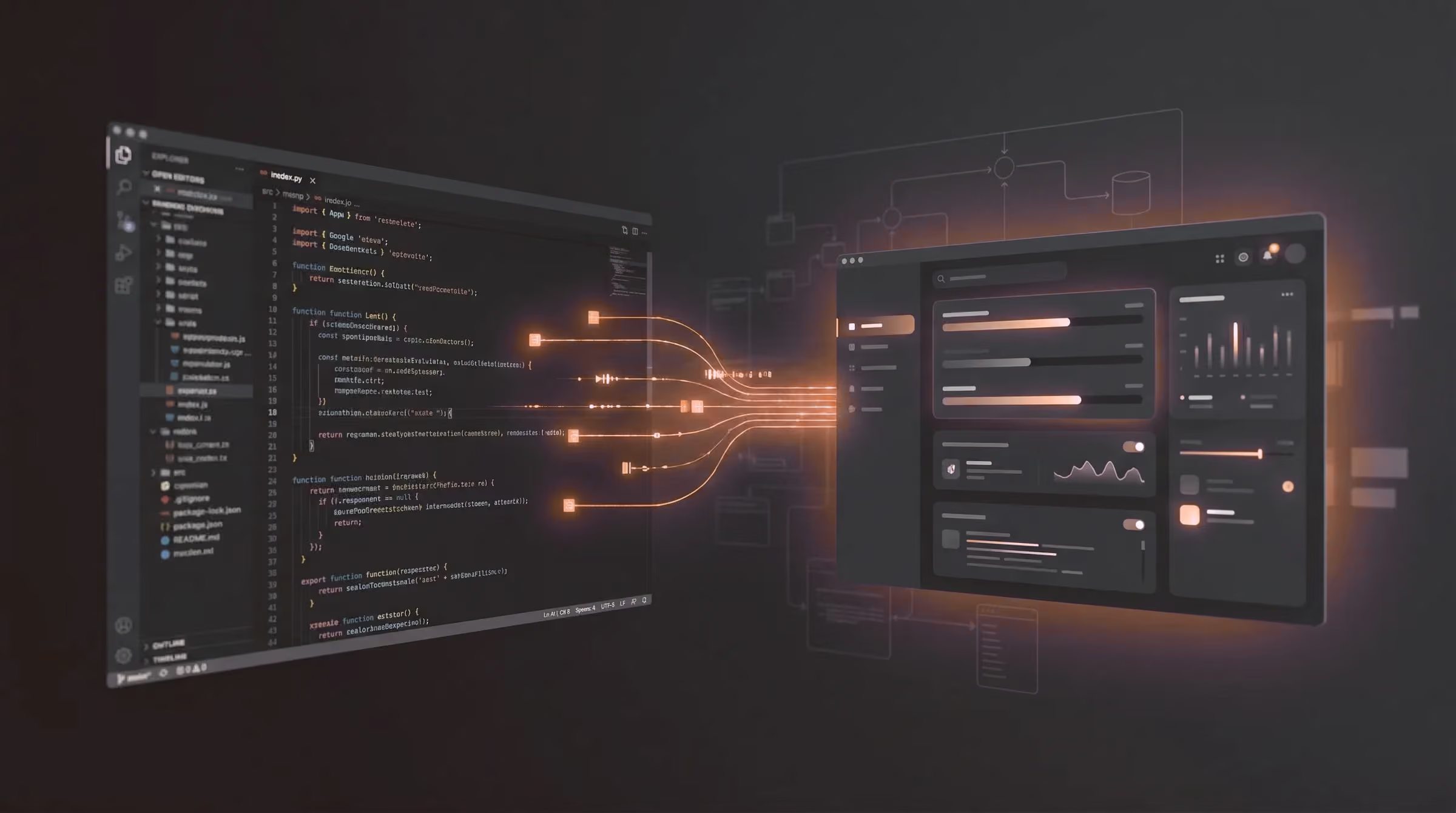
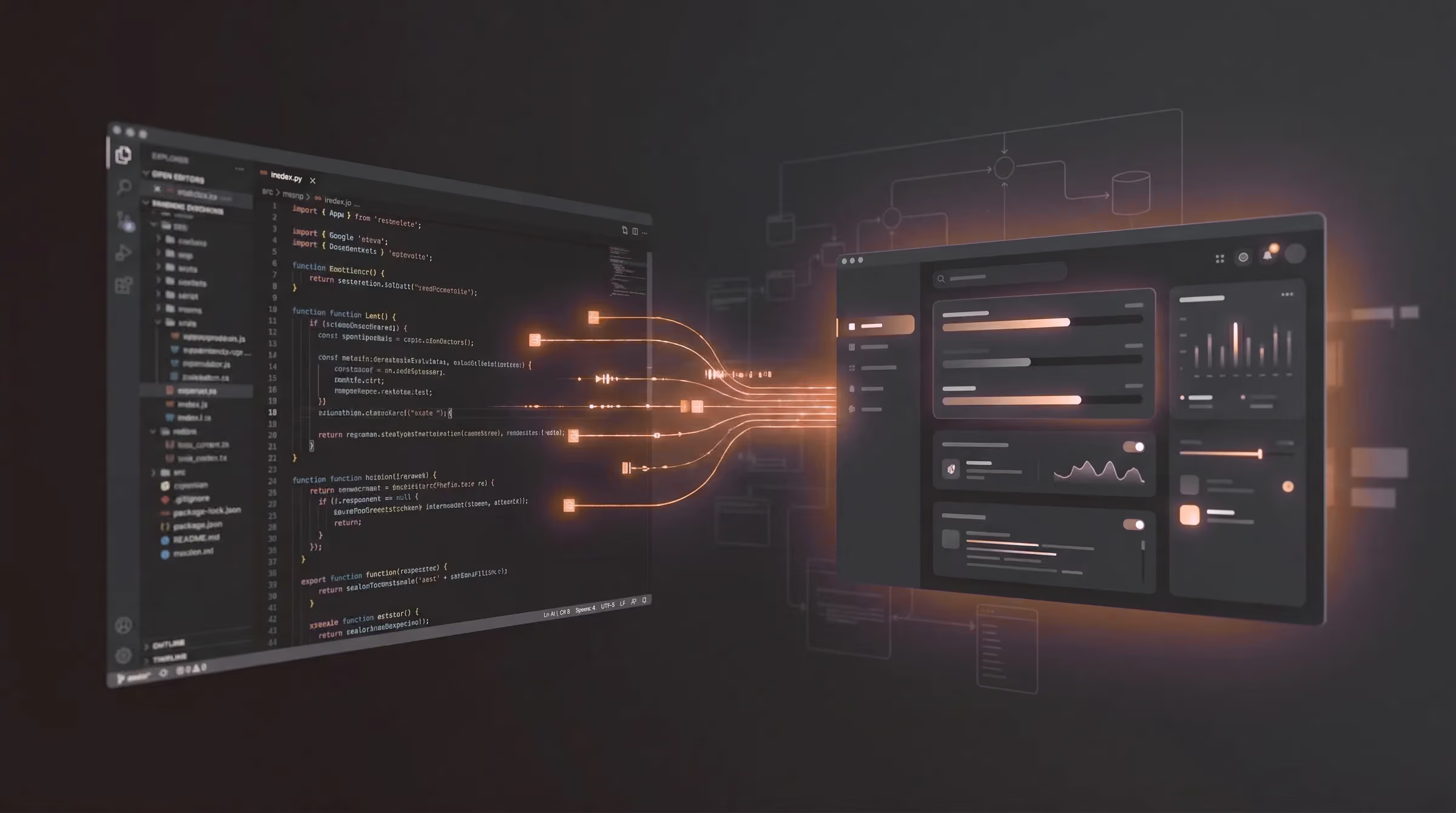
Custom software is designed around a specific workflow or business rule. It requires discovery, implementation, testing and an operating plan, rather than only selecting a ready-made product.
- MapContext
- DefineScope
- TestAcceptance
- AgreeOperation
Businesses served by Seleto Codes
























Definition and scope
Custom software is designed around a specific workflow or business rule. It requires discovery, implementation, testing and an operating plan, rather than only selecting a ready-made product.

- Buy software or build it?
- A ready-made product can suit standard processes. Custom development may fit distinctive rules or integrations; compare licenses, data portability and ongoing maintenance before choosing.
- How are code access and intellectual property agreed?
- Specify repository access, code delivery, reusable components and third-party licenses in the contract. Define handover materials and ongoing responsibilities before implementation.
Planning essentials
Define scope and ownership for: web applications.
Define scope and ownership for: mobile interfaces.
Define scope and ownership for: apis and integration.
Define scope and ownership for: product foundations.
Define scope and ownership for: existing systems.
Planning and validation
Resolve the practical questions before implementation.
Scope questions
Web applications — Implement agreed user tasks, roles and business rules, with acceptance tests for the main workflows.
Mobile interfaces — Assess device features and connectivity before defining app scope, backend responsibilities and supported platforms.
APIs and integration — Specify authorized interfaces, field contracts, synchronization and recovery for each connected system.
Product foundations — Define users, tenancy, subscriptions and operational responsibilities before implementing a SaaS product.
Existing systems — Document current rules and dependencies, then evaluate incremental changes against regression and migration risks.
AI-assisted features — Test a defined model-assisted task with representative cases, permission controls and human review for uncertain results.
Checks for the delivery plan
Discover — Map users, business rules and the workflow that existing tools do not adequately support.
Diagnose — Assess current systems, data, integration feasibility and whether buying software is more appropriate.
Design — Design interfaces, data models, access rules and an incremental delivery plan with acceptance tests.
Deliver — Implement reviewable increments, test business rules and validate working software with the responsible users.
Evolve — Prioritize defects and improvements from actual use; agree responsibility for maintenance and future releases.
Operation — Assign the operating owner and review unresolved risks before expansion.
Work scope
Software designed around a defined business workflow
Web applications
Implement agreed user tasks, roles and business rules, with acceptance tests for the main workflows.
Mobile interfaces
Assess device features and connectivity before defining app scope, backend responsibilities and supported platforms.
APIs and integration
Specify authorized interfaces, field contracts, synchronization and recovery for each connected system.
Product foundations
Define users, tenancy, subscriptions and operational responsibilities before implementing a SaaS product.
Existing systems
Document current rules and dependencies, then evaluate incremental changes against regression and migration risks.
AI-assisted features
Test a defined model-assisted task with representative cases, permission controls and human review for uncertain results.
Domain requirements
The domain defines additional requirements and review.
Describe the process, data sensitivity and domain constraints so the proposal can identify required specialists, validation and responsibilities.
Healthcare
Healthcare work needs approved data access, privacy requirements and review by the responsible domain specialists; the project must confirm the applicable rules.
Fintech & financial
Financial workflows need agreed transaction definitions, access controls, reconciliation and audit requirements before implementation.
Logistics
Logistics work needs consistent identifiers, event timestamps and recovery rules for inventory or shipment updates across connected systems.
Retail & ecommerce
Retail workflows need consistent product, stock, order and payment definitions; validate integrations with representative transactions.
Insurance
Financial workflows need agreed transaction definitions, access controls, reconciliation and audit requirements before implementation.
And more
Describe the process, data sensitivity and domain constraints so the proposal can identify required specialists, validation and responsibilities.
Options to assess
Confirm technology fit and project-specific capability.


Assessing the proposed work
Look for concrete deliverables and accountable decisions.
A useful proposal connects the business task to technical decisions, validation evidence and the people responsible for operation.
Defined scope
The proposal identifies which workflows are included, which inputs are needed and how changes will be reviewed.
Authorized interfaces
Access roles and supported interfaces are confirmed before integration, with named owners for credentials and revocation.
Observable validation
Representative cases and acceptance checks make it possible to assess delivery against the intended business task.
Operational handover
Documentation identifies operating responsibilities, unresolved issues and the support or maintenance work agreed separately.
A method applied to this service
From understanding the process to validated changes.
- 01
Discover
Map users, business rules and the workflow that existing tools do not adequately support.
- 02
Diagnose
Assess current systems, data, integration feasibility and whether buying software is more appropriate.
- 03
Design
Design interfaces, data models, access rules and an incremental delivery plan with acceptance tests.
- 04
Deliver
Implement reviewable increments, test business rules and validate working software with the responsible users.
- 05
Evolve
Prioritize defects and improvements from actual use; agree responsibility for maintenance and future releases.
Where we work
Collaboration and responsibilities
- Meetings and response windows are agreed before work begins.
- Access requires authorization, named owners and an agreed revocation process.
- City clocks are time references. The legal address is in Barreiras, Brazil.
Budget and responsibilities
Estimate preparation, implementation and operation separately.
The estimate follows the selected workflows, data readiness, integration effort and validation needs. Software licenses and ongoing operation are identified separately.
- To define in the proposal
Preparation
Map users, business rules and the workflow that existing tools do not adequately support.
- To define in the proposal
Implementation
Implement reviewable increments, test business rules and validate working software with the responsible users.
- To define in the proposal
Operation
Infrastructure, platform consumption, licenses, updates and support need explicit operating responsibilities and a separate estimate.
Estimate custom software from workflows and acceptance needs.
Start with the first usable delivery and the evidence needed to accept it. Identify available content or data, integration access and decisions that can change the estimate.
Implement agreed user tasks, roles and business rules, with acceptance tests for the main workflows.
Assess device features and connectivity before defining app scope, backend responsibilities and supported platforms.
Specify authorized interfaces, field contracts, synchronization and recovery for each connected system.
Define users, tenancy, subscriptions and operational responsibilities before implementing a SaaS product.
The schedule is built from dependencies and review availability. A smaller initial scope can be estimated before committing to later phases.
Choose delivery responsibilities, not just a technology name.
Discuss how business rules will be documented, changes reviewed and the delivered system maintained. If the domain requires specialist or regulatory knowledge, identify who will validate those requirements.
FAQ
Questions and practical answers
01What is custom software development?
02Custom software vs off-the-shelf — which should I choose?
03How much does custom software development cost?
04How long does it take to build?
05Do I own the code and IP?
06Do you build for my industry (healthcare, fintech, logistics)?
07How do I choose a custom software development company?
08What do your custom software development services include?
09Is bespoke software development the same as custom software?
Related services
Often paired with custom software
 View
Remote Software Development
Remote software development is collaboration without sharing a physical office.
Software & Product View
Web development
Web design defines structure, visual hierarchy and interaction; development implements them in working pages and systems.
Software & Product View
Digital transformation
Digital transformation changes how a business operates using process redesign, software and data.
Strategy
Tell us what needs to change.
Share the process, current tools and the result you need to validate. Use the contact channels to discuss a possible scope and the information needed next.
Discuss the project