
















Data and analytics
Data analytics connects approved sources to defined indicators and business questions. Pipelines, dashboards and predictive models are distinct deliverables, with their own quality and validation checks.
- MapContext
- DefineScope
- TestAcceptance
- AgreeOperation
Businesses served by Seleto Codes























Definition and scope
Data analytics connects approved sources to defined indicators and business questions. Pipelines, dashboards and predictive models are distinct deliverables, with their own quality and validation checks.

- Dashboard, data pipeline or predictive model?
- A dashboard presents indicators; a pipeline collects and transforms data; a predictive model estimates an outcome from examples. They need different inputs, validation and maintenance.
- How is access to data and analytical tools defined?
- Agree source permissions, platform accounts, transformation code and dashboard licenses. Confirm export formats, retention and handover so operating responsibilities are explicit.
Planning essentials
Define scope and ownership for: data pipelines.
Define scope and ownership for: dashboards and bi.
Define scope and ownership for: analytical investigation.
Define scope and ownership for: predictive models.
Define scope and ownership for: analytical storage.
Planning and validation
Resolve the practical questions before implementation.
Scope questions
Data pipelines — Collect and transform authorized source data with refresh schedules, quality checks and recorded lineage.
Dashboards and BI — Define indicator formulas and filters, then reconcile dashboards against source calculations with the decision owner.
Analytical investigation — Investigate a business question using documented definitions, comparison periods and the limitations of available data.
Predictive models — Prepare historical examples, validate predictions on separate data and compare errors with a simple baseline.
Analytical storage — Choose storage and access rules from volume, freshness and recovery requirements; estimate platform consumption separately.
Data planning — Inventory sources and owners, define decision priorities and produce a roadmap for improving data reliability.
Checks for the delivery plan
Discover — Identify the decision, source owners, existing reports and the indicators people currently use.
Diagnose — Assess completeness, duplicates, field definitions and refresh delays in representative data samples.
Design — Design pipelines, metric definitions, access policies and validation queries for the agreed deliverables.
Deliver — Implement the data flow and reports, reconcile calculations and validate refresh behavior with users.
Evolve — Monitor freshness, quality and usage; review indicators when business definitions or source systems change.
Operation — Assign the operating owner and review unresolved risks before expansion.
Work scope
Reliable data pipelines, indicators and decision support
Choose the work needed for your process; each item has its own inputs, validation and operating responsibilities.
Data pipelines
Collect and transform authorized source data with refresh schedules, quality checks and recorded lineage.
Dashboards and BI
Define indicator formulas and filters, then reconcile dashboards against source calculations with the decision owner.
Analytical investigation
Investigate a business question using documented definitions, comparison periods and the limitations of available data.
Predictive models
Prepare historical examples, validate predictions on separate data and compare errors with a simple baseline.
Analytical storage
Choose storage and access rules from volume, freshness and recovery requirements; estimate platform consumption separately.
Data planning
Inventory sources and owners, define decision priorities and produce a roadmap for improving data reliability.
Details to assess
AI assistance with source validation
AI-assisted queries or summaries use approved sources and metric definitions. Validate generated calculations or conclusions against known queries and events before acting.
Define the task and the authorized sources before enabling model-assisted actions.
Test representative inputs, incorrect outputs and the route for human review.
Record actions and compare observed errors and operating cost with the intended use.

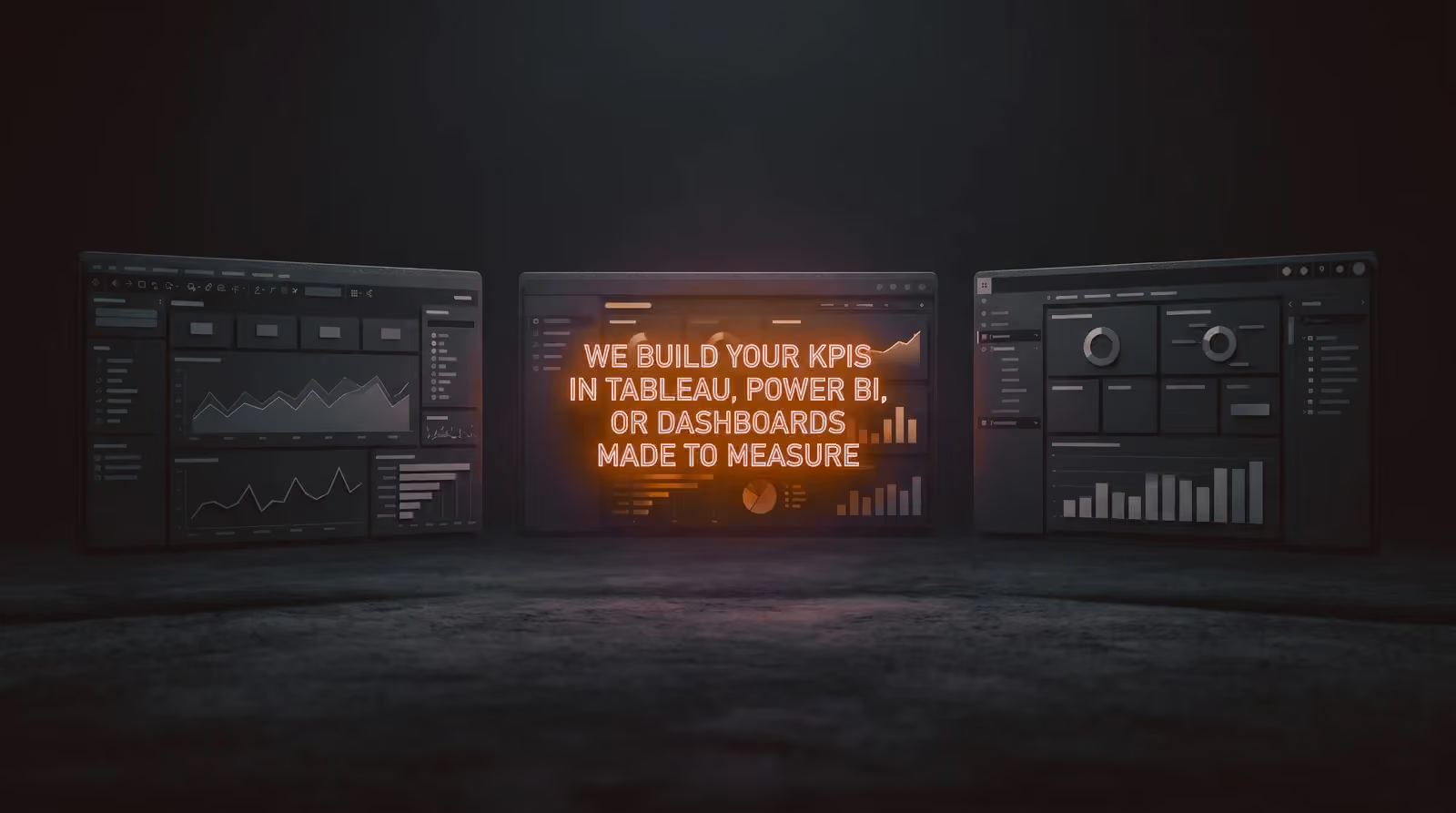



Check authorized sources, field meanings and data quality.
Domain requirements
The domain defines additional requirements and review.
Healthcare
Healthcare work needs approved data access, privacy requirements and review by the responsible domain specialists; the project must confirm the applicable rules.
Finance & fintech
Financial workflows need agreed transaction definitions, access controls, reconciliation and audit requirements before implementation.
Retail & ecommerce
Retail workflows need consistent product, stock, order and payment definitions; validate integrations with representative transactions.
Logistics
Logistics work needs consistent identifiers, event timestamps and recovery rules for inventory or shipment updates across connected systems.
Manufacturing
Production work needs validated equipment and process definitions, signal quality and coordination with plant and safety owners.
And more
Describe the process, data sensitivity and domain constraints so the proposal can identify required specialists, validation and responsibilities.
Options to assess
Confirm technology fit and project-specific capability.


- Power BI


Assessing the proposed work
Look for concrete deliverables and accountable decisions.
A useful proposal connects the business task to technical decisions, validation evidence and the people responsible for operation.
Defined scope
The proposal identifies which workflows are included, which inputs are needed and how changes will be reviewed.
Authorized interfaces
Access roles and supported interfaces are confirmed before integration, with named owners for credentials and revocation.
Observable validation
Representative cases and acceptance checks make it possible to assess delivery against the intended business task.
Operational handover
Documentation identifies operating responsibilities, unresolved issues and the support or maintenance work agreed separately.
A method applied to this service
From understanding the process to validated changes.
- 01
Discover
Identify the decision, source owners, existing reports and the indicators people currently use.
- 02
Diagnose
Assess completeness, duplicates, field definitions and refresh delays in representative data samples.
- 03
Design
Design pipelines, metric definitions, access policies and validation queries for the agreed deliverables.
- 04
Deliver
Implement the data flow and reports, reconcile calculations and validate refresh behavior with users.
- 05
Evolve
Monitor freshness, quality and usage; review indicators when business definitions or source systems change.
Where we work
Collaboration and responsibilities
- Meetings and response windows are agreed before work begins.
- Access requires authorization, named owners and an agreed revocation process.
- City clocks are time references. The legal address is in Barreiras, Brazil.
Budget and responsibilities
Estimate preparation, implementation and operation separately.
The estimate follows the selected workflows, data readiness, integration effort and validation needs. Software licenses and ongoing operation are identified separately.
- To define in the proposal
Preparation
Identify the decision, source owners, existing reports and the indicators people currently use.
- To define in the proposal
Implementation
Implement the data flow and reports, reconcile calculations and validate refresh behavior with users.
- To define in the proposal
Operation
Infrastructure, platform consumption, licenses, updates and support need explicit operating responsibilities and a separate estimate.
FAQ
Questions and practical answers
01What are data analytics services (and is this courses or consulting)?
02Data analytics vs business intelligence vs data science?
03What is agentic analytics / AI data analytics?
04How much do data analytics services cost?
05Do I own my data, warehouse, and dashboards?
06Do you do analytics for my industry (healthcare, finance, retail)?
Related services
Often paired with data & analytics
 View
Custom software
Custom software is designed around a specific workflow or business rule.
Software & Product View
AI agents
An AI agent combines a language model, approved tools and a controlled workflow to act on a task.
AI View
Cloud migration
Cloud migration moves applications, data or infrastructure to a cloud environment.
Software & Product
Tell us what needs to change.
Share the process, current tools and the result you need to validate. Use the contact channels to discuss a possible scope and the information needed next.
Discuss the project