
















Web development
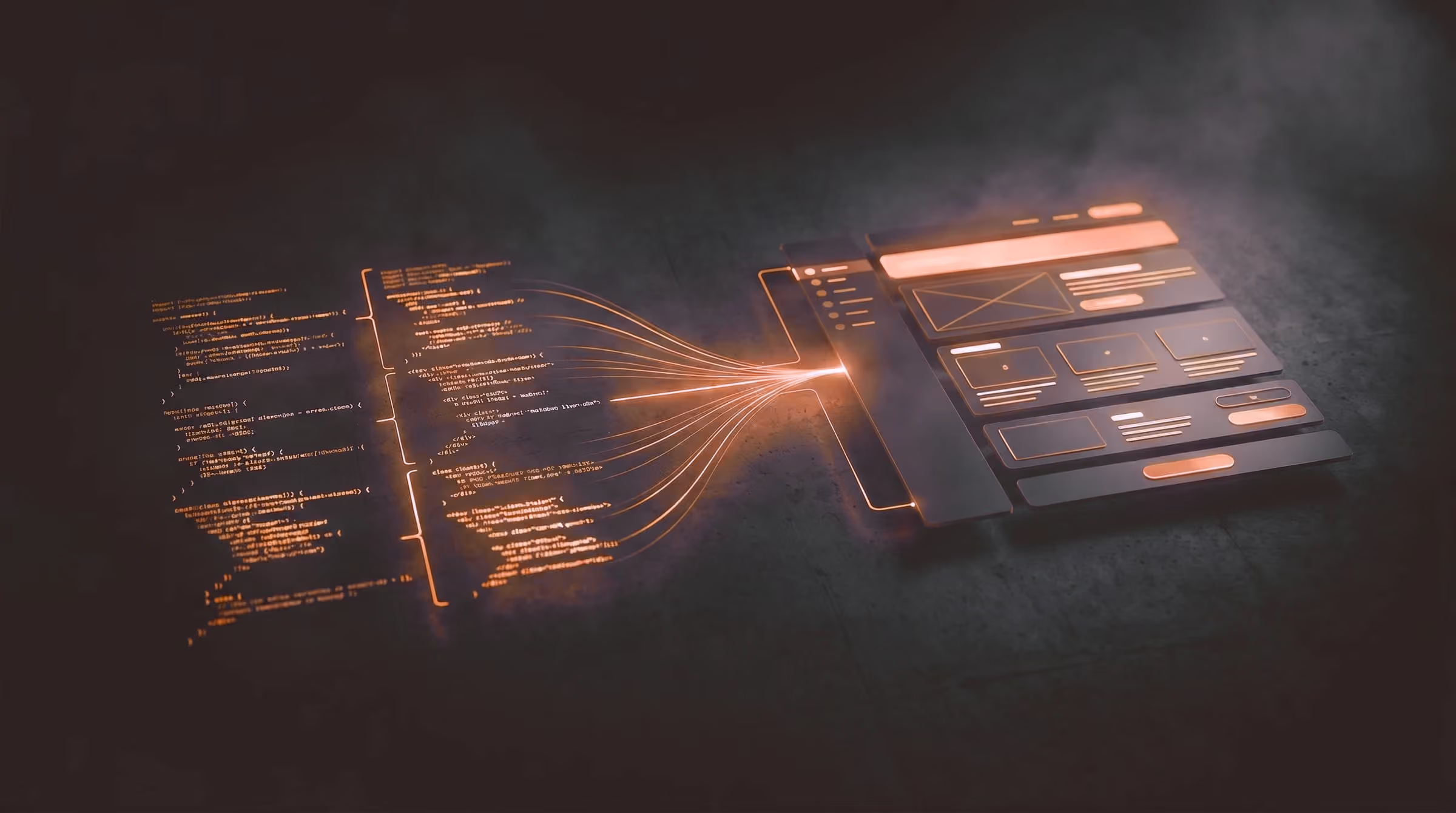
Web design defines structure, visual hierarchy and interaction; development implements them in working pages and systems. Both need content, accessibility checks and clear acceptance criteria.
- MapContext
- DefineScope
- TestAcceptance
- AgreeOperation
Businesses served by Seleto Codes






















Definition and scope
Web design defines structure, visual hierarchy and interaction; development implements them in working pages and systems. Both need content, accessibility checks and clear acceptance criteria.
- Design or development?
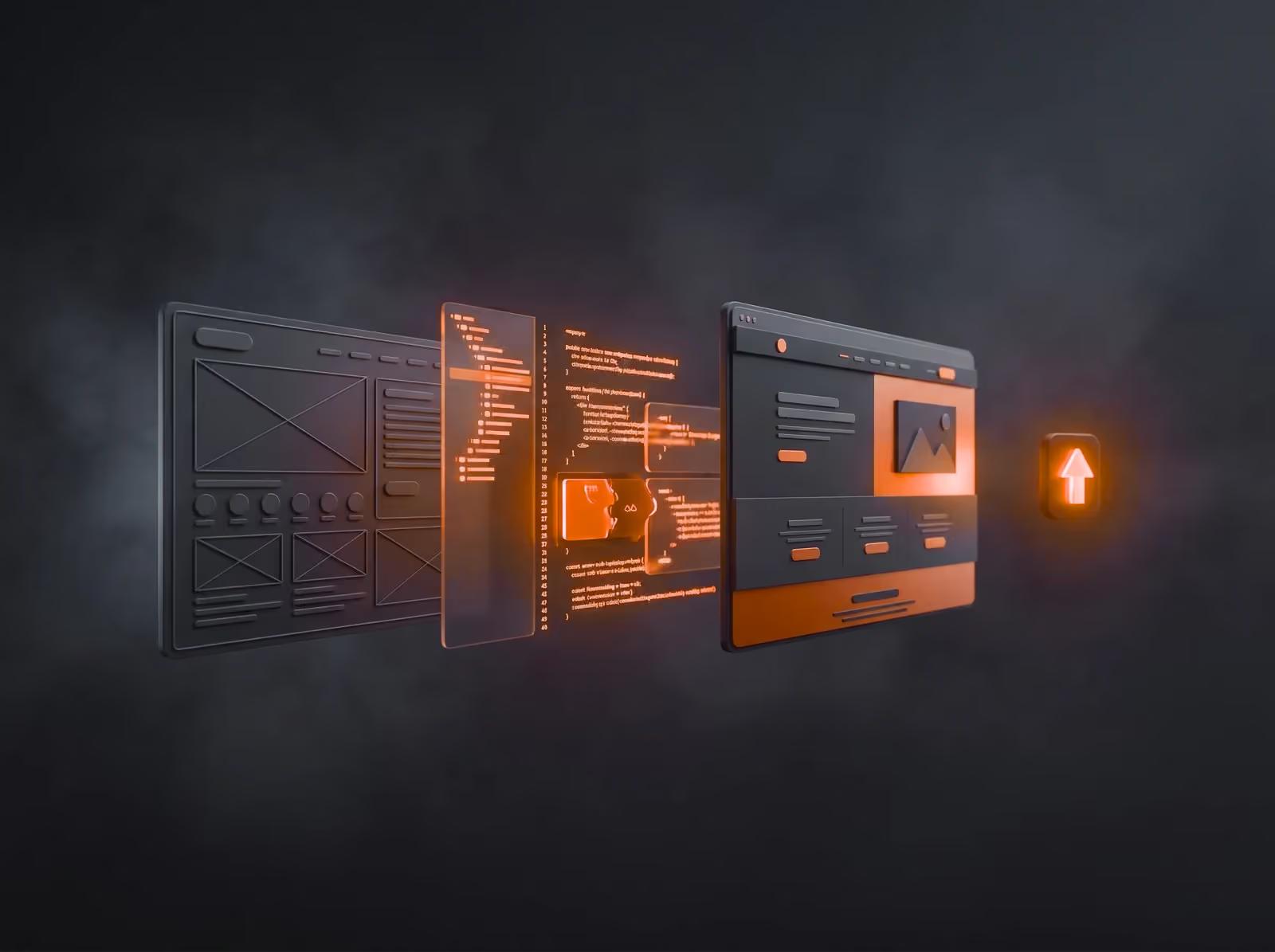
- Design organizes content, visual hierarchy and interactions. Development implements working pages and connected systems; both require content, accessibility review and acceptance criteria.
- Template or custom implementation?
- A template may fit standard publishing needs. Custom work can address distinctive tasks or integration; compare editing, accessibility, licenses and maintenance before choosing.
Planning essentials
Define scope and ownership for: website implementation.
Define scope and ownership for: design and usability.
Define scope and ownership for: commerce workflows.
Define scope and ownership for: web applications.
Define scope and ownership for: editing and cms.
Planning and validation
Resolve the practical questions before implementation.
Scope questions
Website implementation — Define the page structure, content and interactions, then validate responsive behavior and essential user journeys.
Design and usability — Organize information hierarchy, navigation and accessible interaction around the tasks visitors need to complete.
Commerce workflows — Map product, payment and fulfillment requirements and confirm platform, integration and operating responsibilities.
Web applications — Specify users, permissions, business rules and data changes for a portal or operational application.
Editing and CMS — Choose an editing approach from publishing needs, access roles and maintenance requirements; confirm technology capability.
Search readiness — Validate readable HTML, internal links, metadata and loading behavior; search results require separate observation.
Checks for the delivery plan
Discover — Map visitor tasks, available content, brand references and the site's business purpose.
Diagnose — Assess content gaps, accessibility, integration needs and current loading behavior on representative devices.
Design — Design information architecture, interface states, editing roles and acceptance checks for the agreed pages.
Deliver — Implement pages and integrations, test responsive journeys and validate content and accessibility before handover.
Evolve — Review observed use and loading measurements; agree hosting, maintenance and content updates as ongoing responsibilities.
Operation — Assign the operating owner and review unresolved risks before expansion.
Work scope
Websites and web applications built around content and user tasks
Choose the work needed for your process; each item has its own inputs, validation and operating responsibilities.
Website implementation
Define the page structure, content and interactions, then validate responsive behavior and essential user journeys.
Design and usability
Organize information hierarchy, navigation and accessible interaction around the tasks visitors need to complete.
Commerce workflows
Map product, payment and fulfillment requirements and confirm platform, integration and operating responsibilities.
Web applications
Specify users, permissions, business rules and data changes for a portal or operational application.
Editing and CMS
Choose an editing approach from publishing needs, access roles and maintenance requirements; confirm technology capability.
Search readiness
Validate readable HTML, internal links, metadata and loading behavior; search results require separate observation.
Details to assess
Choose the site type from the user task.
Informational sites
Organize the offer, business information, navigation and contact paths with content owners and a publishing plan.
Commerce workflows
Map product, payment and fulfillment requirements and confirm platform, integration and operating responsibilities.
Web applications
Specify users, permissions, business rules and data changes for a portal or operational application.
Editing and CMS
Choose an editing approach from publishing needs, access roles and maintenance requirements; confirm technology capability.
Campaign pages
Define audience, message, approved claims and conversion events; measurement and media management are separate decisions.
Booking and client portals
Map permissions, availability rules, personal data and connected systems before defining authenticated workflows.
Details to assess
Performance and search readiness can be tested.
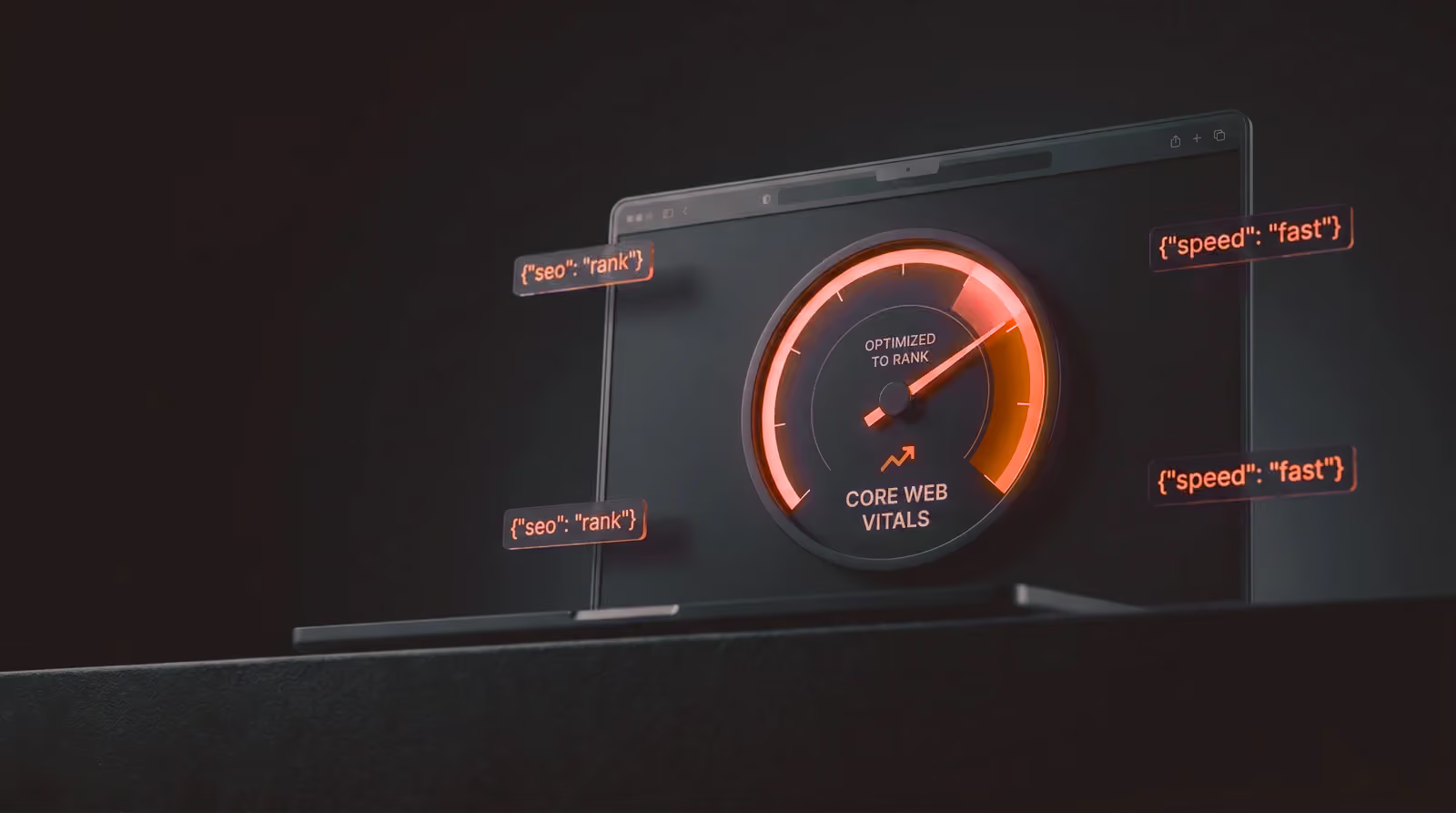
Measure loading and interaction on representative devices, and inspect readable HTML, navigation and crawl access. Search positions and real-user performance require separate observation.
Define a loading budget and test the pages using documented device and network conditions.
Check page titles, internal links, indexing rules and factual consistency before an authorized release.
Use observed results to prioritize improvements; a technical checklist alone does not establish search rankings.
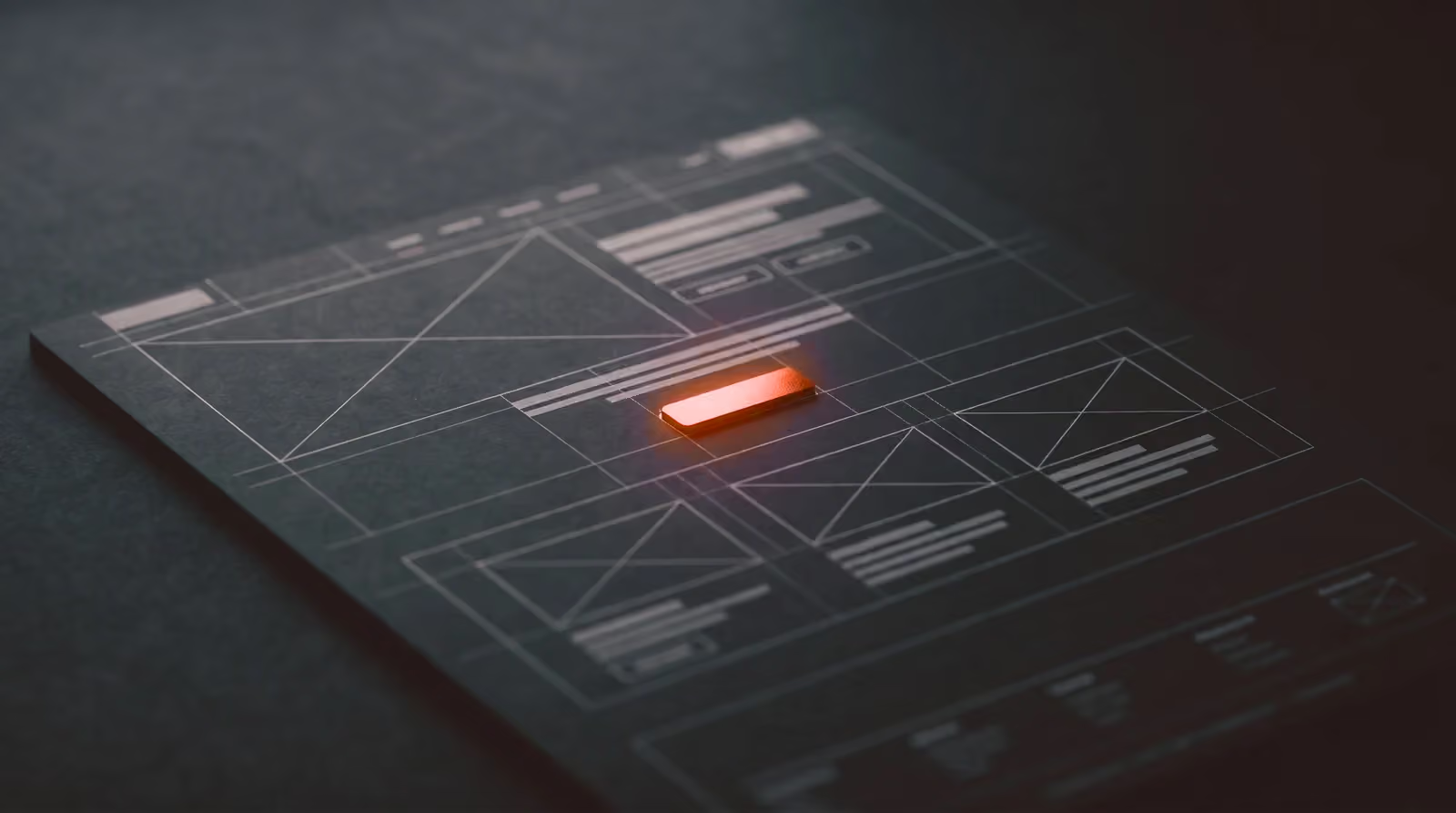



Define content structure, visual hierarchy and user tasks.
Details to assess
Specify each deliverable and its operating owner.
The items below are possible work areas. The proposal identifies which are included, who supplies content and accounts, and how delivery is accepted.
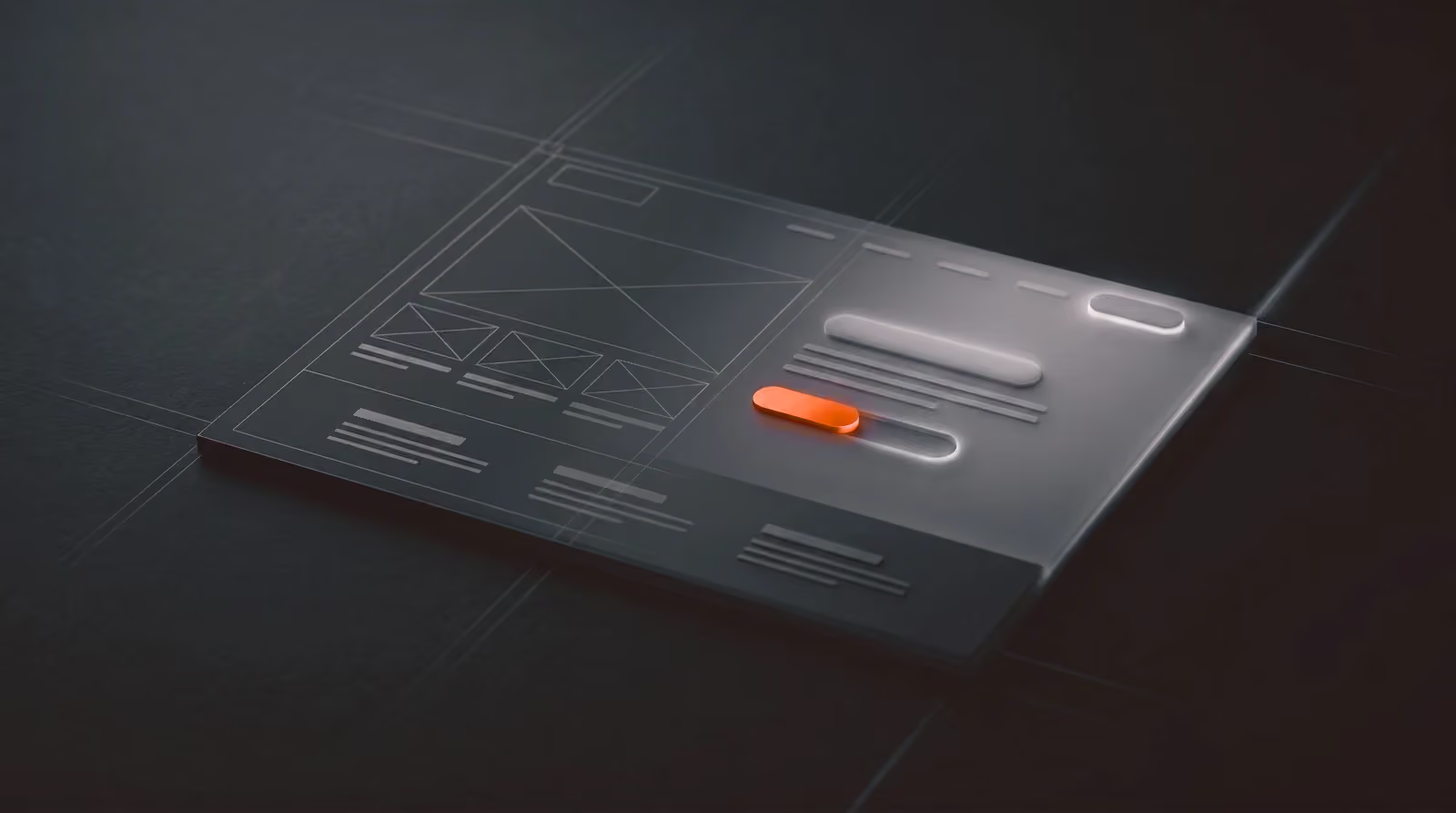
UX and interface design
Define content hierarchy, navigation and interface states, with review of representative visitor tasks.
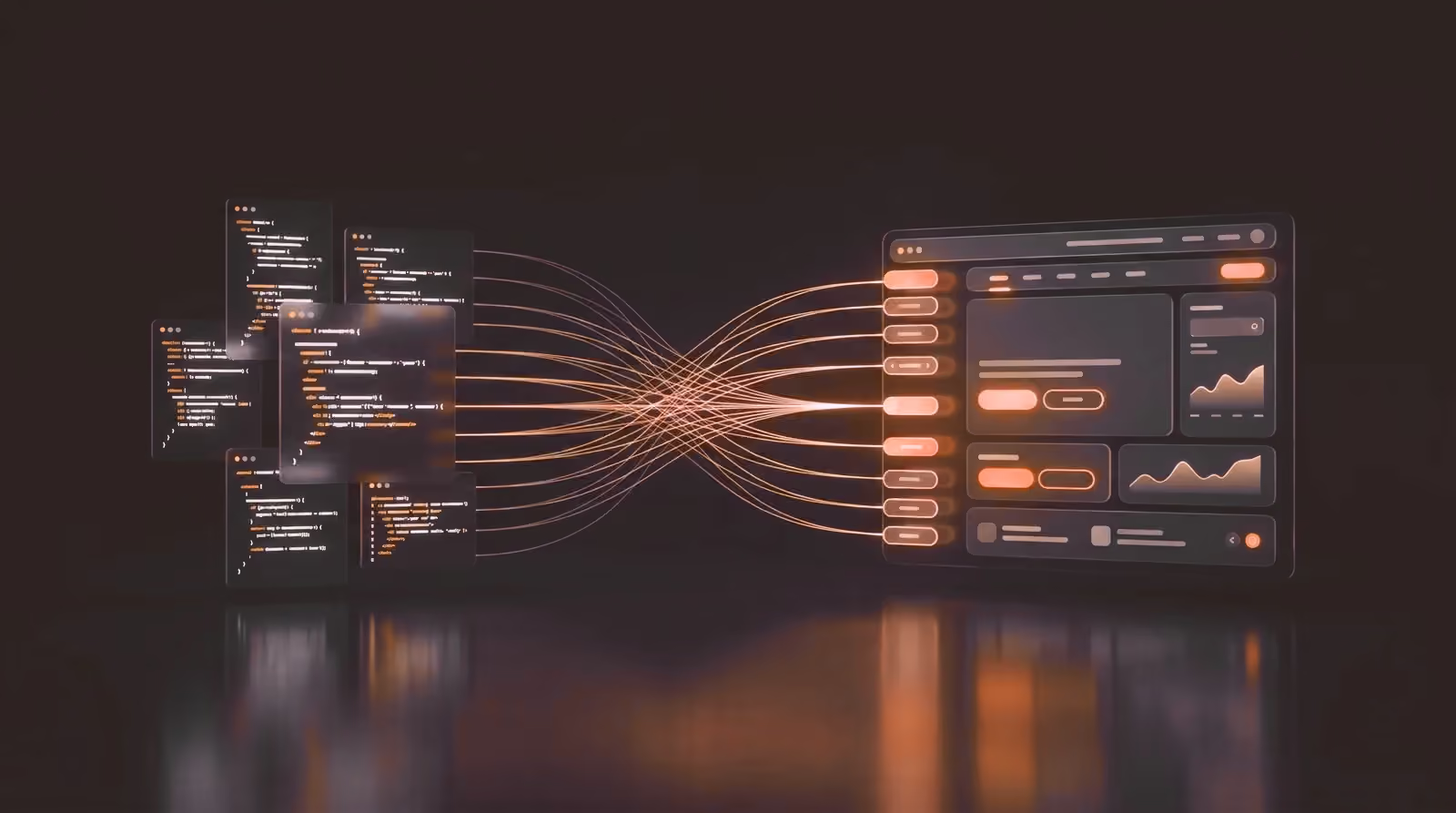
Front-end implementation
Define the page structure, content and interactions, then validate responsive behavior and essential user journeys.

Backend and APIs
Identify authentication, data contracts, permissions and integrations; backend work is scoped separately from informational pages.

Editing and CMS
Choose an editing approach from publishing needs, access roles and maintenance requirements; confirm technology capability.

Commerce workflows
Map product, payment and fulfillment requirements and confirm platform, integration and operating responsibilities.

Loading and usability tests
Measure representative pages in documented lab conditions; review field measurements when actual user data becomes available.

Search readiness
Validate readable HTML, internal links, metadata and loading behavior; search results require separate observation.
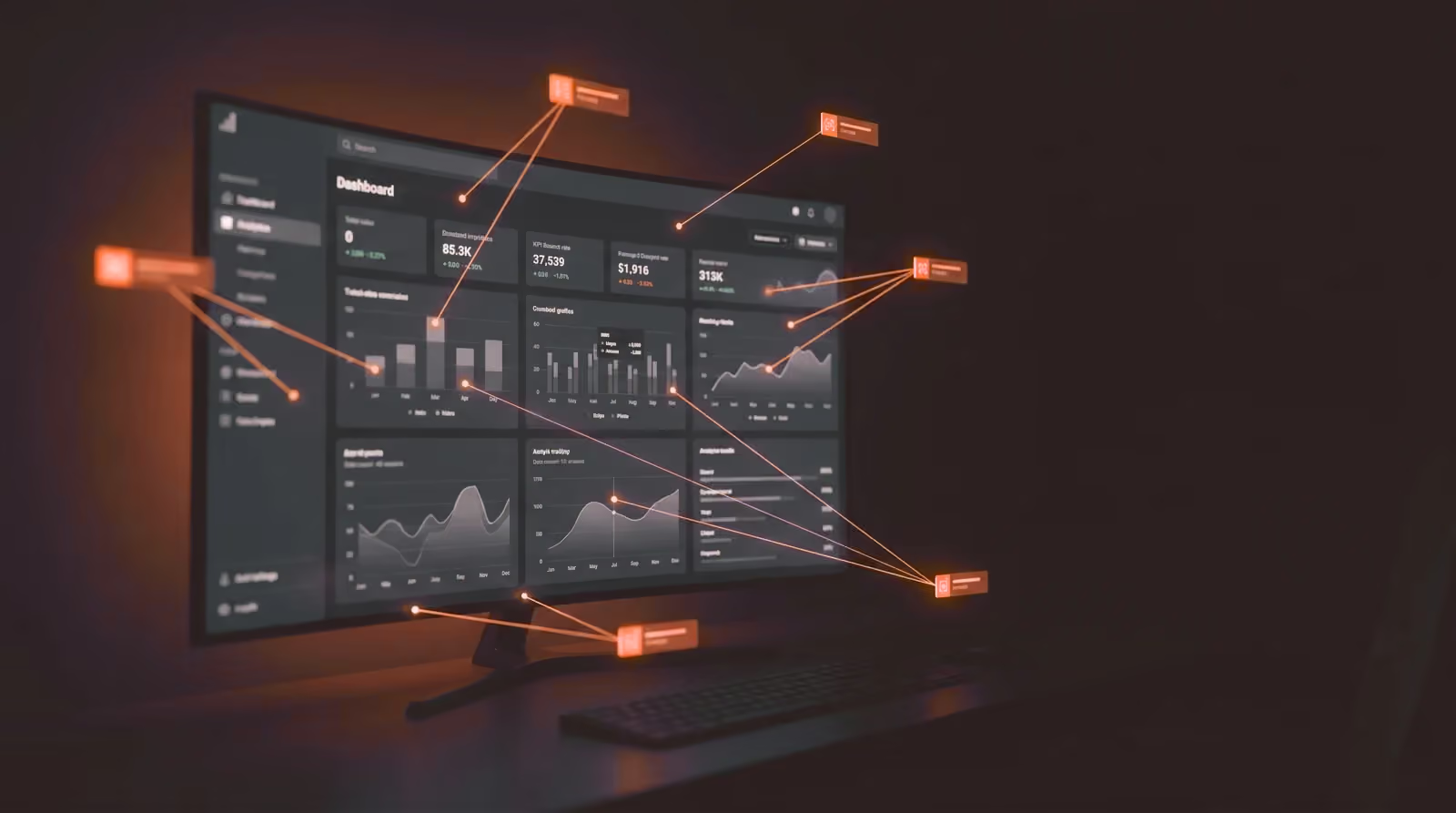
Measurement plan
Define events, consent requirements, account ownership and validation before configuring any analytics integration.

Hosting and domain
Agree hosting provider, domain access, certificates, billing and recovery responsibility as operating requirements.

Business email
If needed, identify the email provider, accounts, DNS changes and administration separately.

Acceptance and corrections
Define acceptance checks, defect handling, response arrangements and any continuing support in the proposal.

Code and account access
Document code delivery, account control, reusable components and third-party licenses before implementation.
Interface demonstrations with fictional brands and domains; these are not client projects.
Interface demonstrations
Fictional interfaces illustrate different website styles.
The examples illustrate studio, aviation, commerce and software interfaces. Compare their navigation, content hierarchy and interactions when discussing the type of site your project needs.
Design studio — Est. 2014
We craft brands and digital experiences at the intersection of design, story, and technology.
Branding · Web Design · Development · Motion ·
Branding · Web Design · Development · Motion ·
Selected Work
2024 — 24Helios — Brand
Identity · Web
Vera — Commerce
Shopify · Motion
Atlas — SaaS
Product · App
Nimbus — Studio
3D · WebGL
A website is the first handshake. We make sure it's unforgettable.
Private aviation
THE CLOUDS
Fly anywhere, on your schedule. Scroll the story →
FROM ANYWHERE
TO ANYWHERE
120
Destinations
24/7
On call
8 min
Avg. boarding
READY FOR
TAKEOFF.
Book a flight New Arrivals — SS24
LUXURY.
Free shipping over $150 · 30-day returns ·
Free shipping over $150 · 30-day returns ·
Best sellers
Linen Shirt
$120
Wool Coat
$340
Leather Bag
$280
Knit Sweater
$160
Suede Boots
$310
Silk Scarf
$90
Ship software faster
SHIP. SCALE.
The platform your engineering team actually wants to use.
CI/CD
Deploy in seconds
Insights
Real-time metrics
Scale
Zero-downtime
Options to assess
Confirm technology fit and project-specific capability.


Assessing the proposed work
Look for concrete deliverables and accountable decisions.
A useful proposal connects the business task to technical decisions, validation evidence and the people responsible for operation.
Defined scope
The proposal identifies which workflows are included, which inputs are needed and how changes will be reviewed.
Authorized interfaces
Access roles and supported interfaces are confirmed before integration, with named owners for credentials and revocation.
Observable validation
Representative cases and acceptance checks make it possible to assess delivery against the intended business task.
Operational handover
Documentation identifies operating responsibilities, unresolved issues and the support or maintenance work agreed separately.
A method applied to this service
From understanding the process to validated changes.
- 01
Discover
Map visitor tasks, available content, brand references and the site's business purpose.
- 02
Diagnose
Assess content gaps, accessibility, integration needs and current loading behavior on representative devices.
- 03
Design
Design information architecture, interface states, editing roles and acceptance checks for the agreed pages.
- 04
Deliver
Implement pages and integrations, test responsive journeys and validate content and accessibility before handover.
- 05
Evolve
Review observed use and loading measurements; agree hosting, maintenance and content updates as ongoing responsibilities.
Where we work
Collaboration and responsibilities
- Meetings and response windows are agreed before work begins.
- Access requires authorization, named owners and an agreed revocation process.
- City clocks are time references. The legal address is in Barreiras, Brazil.
Budget and responsibilities
Estimate preparation, implementation and operation separately.
The estimate follows the selected workflows, data readiness, integration effort and validation needs. Software licenses and ongoing operation are identified separately.
- To define in the proposal
Preparation
Map visitor tasks, available content, brand references and the site's business purpose.
- To define in the proposal
Implementation
Implement pages and integrations, test responsive journeys and validate content and accessibility before handover.
- To define in the proposal
Operation
Infrastructure, platform consumption, licenses, updates and support need explicit operating responsibilities and a separate estimate.
Scope pages, editing, integrations and operating needs.
Start with the first usable delivery and the evidence needed to accept it. Identify available content or data, integration access and decisions that can change the estimate.
Define the page structure, content and interactions, then validate responsive behavior and essential user journeys.
Organize information hierarchy, navigation and accessible interaction around the tasks visitors need to complete.
Map product, payment and fulfillment requirements and confirm platform, integration and operating responsibilities.
Specify users, permissions, business rules and data changes for a portal or operational application.
The schedule is built from dependencies and review availability. A smaller initial scope can be estimated before committing to later phases.
Web applications support tasks and controlled data changes.
Specify users, permissions, business rules and data changes for a portal or operational application.
FAQ
Questions and practical answers
01What is web development, and how is it different from web design?
02Custom website vs a template or website builder?
03How much does a custom website cost?
04How long does it take to build a website?
05How are website code rights and access defined?
06How does remote website collaboration work?
07Will my website be fast and rank on Google?
08What's included in your custom web development services?
09Do you offer custom web application development?
10What's the difference between a website and a custom web app?
Related services
Often paired with web development
 View
SEO services
SEO services assess technical accessibility, indexing readiness, content and internal links.
Marketing & Growth View
Custom software
Custom software is designed around a specific workflow or business rule.
Software & Product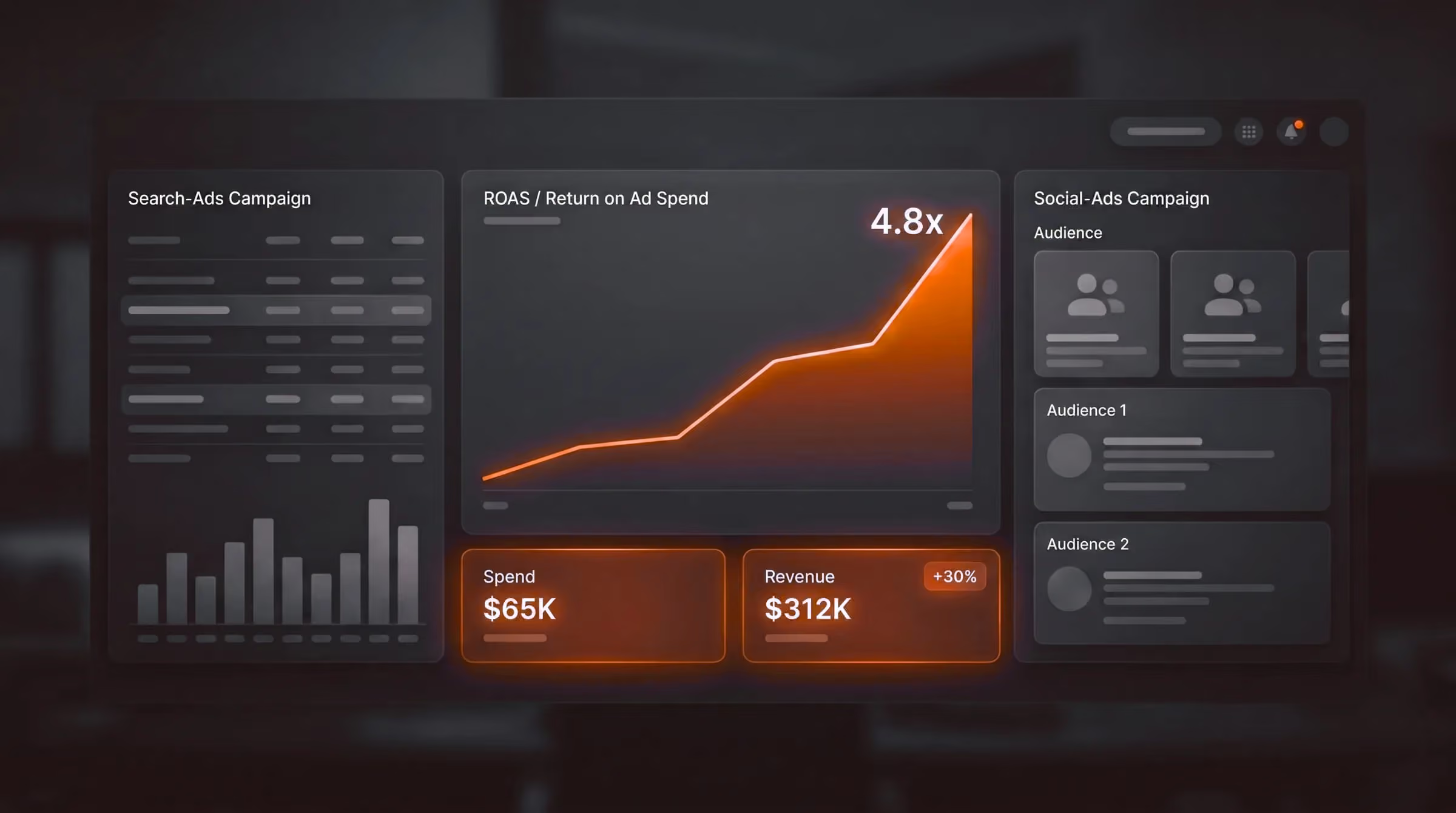 View
Paid media
Paid media buys advertising distribution through search or social platforms.
Marketing & Growth
Tell us what needs to change.
Share the process, current tools and the result you need to validate. Use the contact channels to discuss a possible scope and the information needed next.
Discuss the project