











Legacy modernization
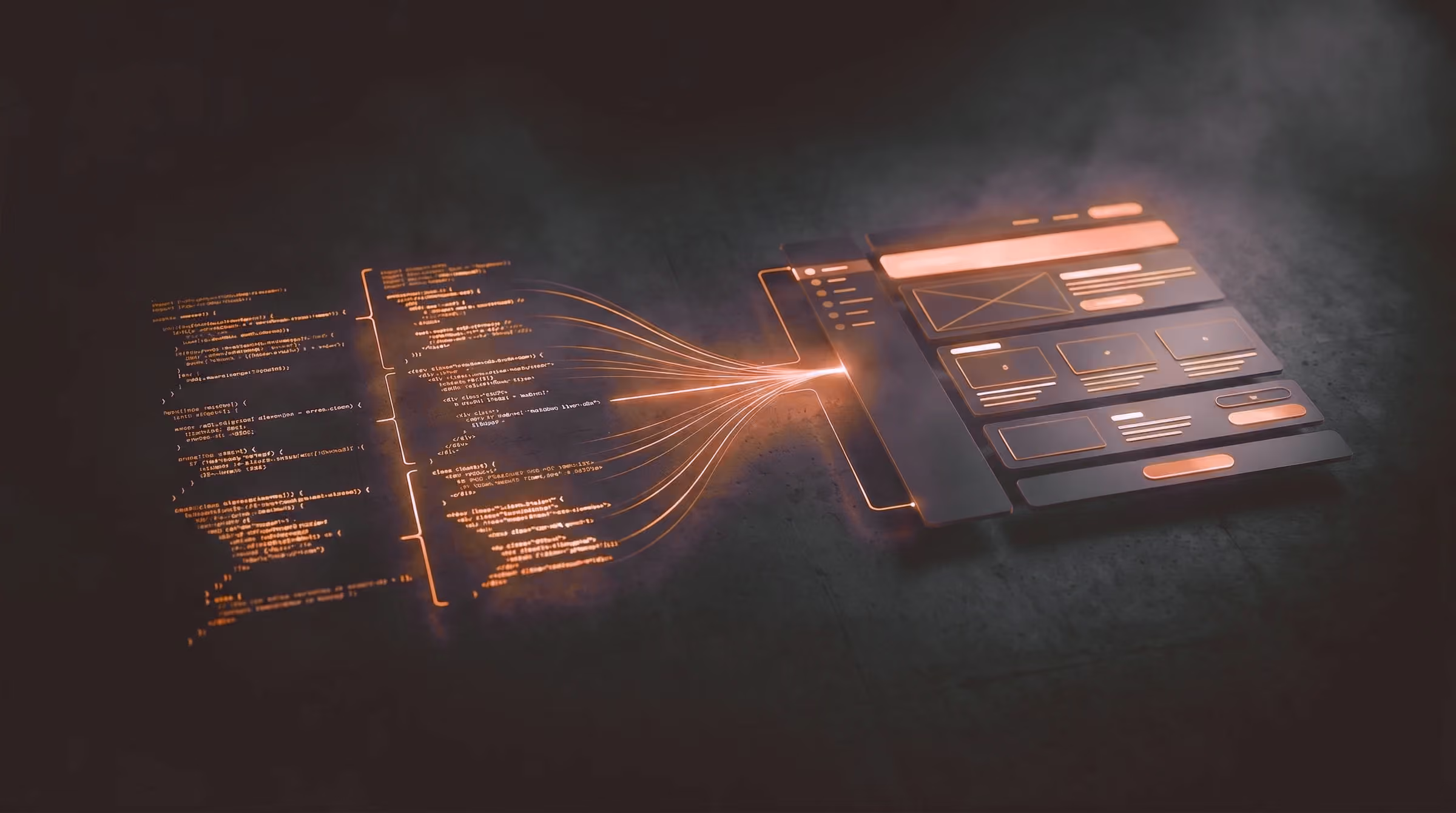
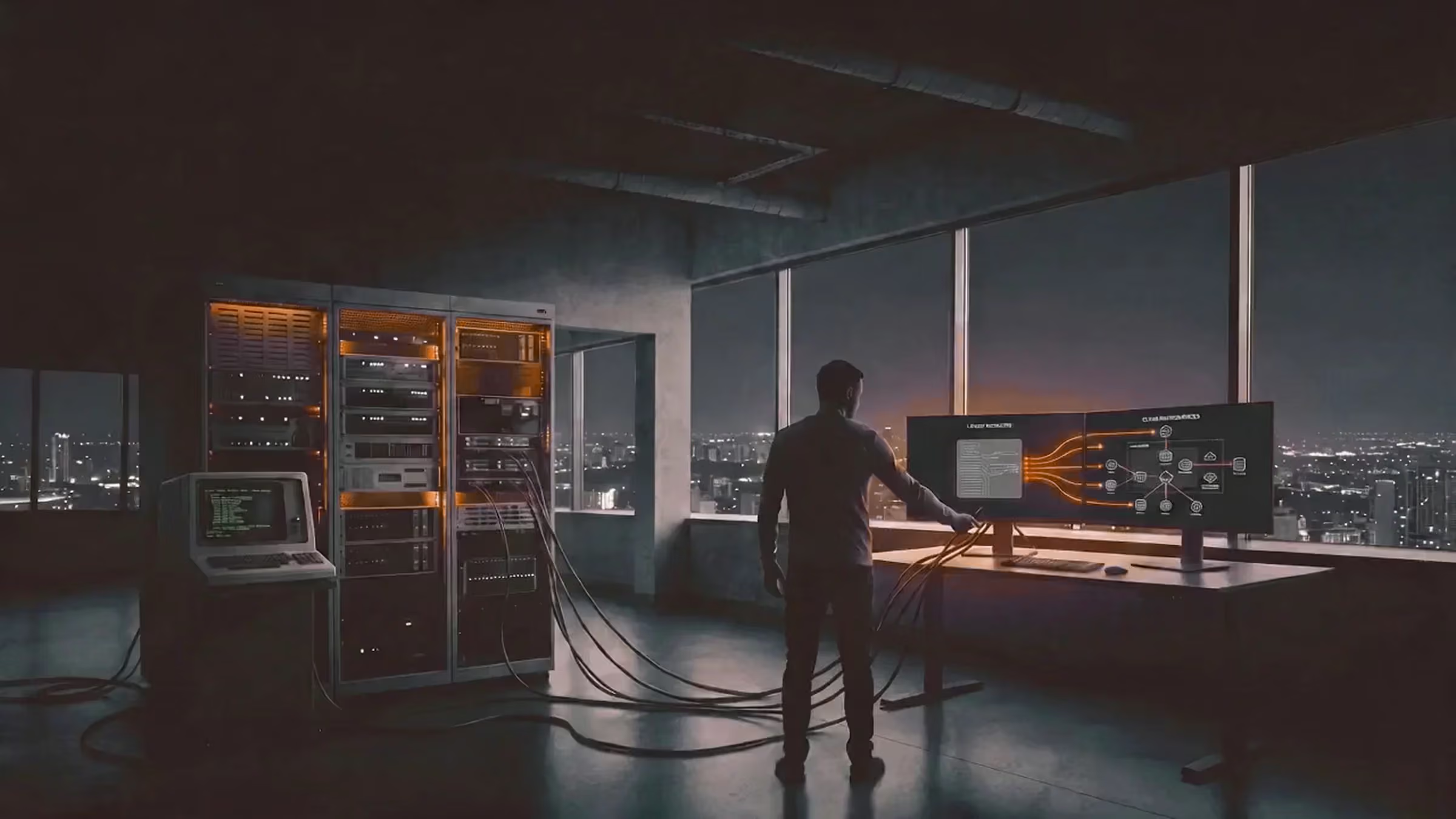
Legacy modernization updates a system whose technology, support or dependencies limit operation. It can improve selected components while preserving validated business rules and documenting previously implicit knowledge.
- MapContext
- DefineScope
- TestAcceptance
- AgreeOperation
Businesses served by Seleto Codes























Definition and scope
Legacy modernization updates a system whose technology, support or dependencies limit operation. It can improve selected components while preserving validated business rules and documenting previously implicit knowledge.

- Modernize a component or rebuild the system?
- Keep validated rules where reuse is practical. Compare support constraints, test coverage and migration effort before choosing targeted changes or a rebuild.
- How can old and new systems connect?
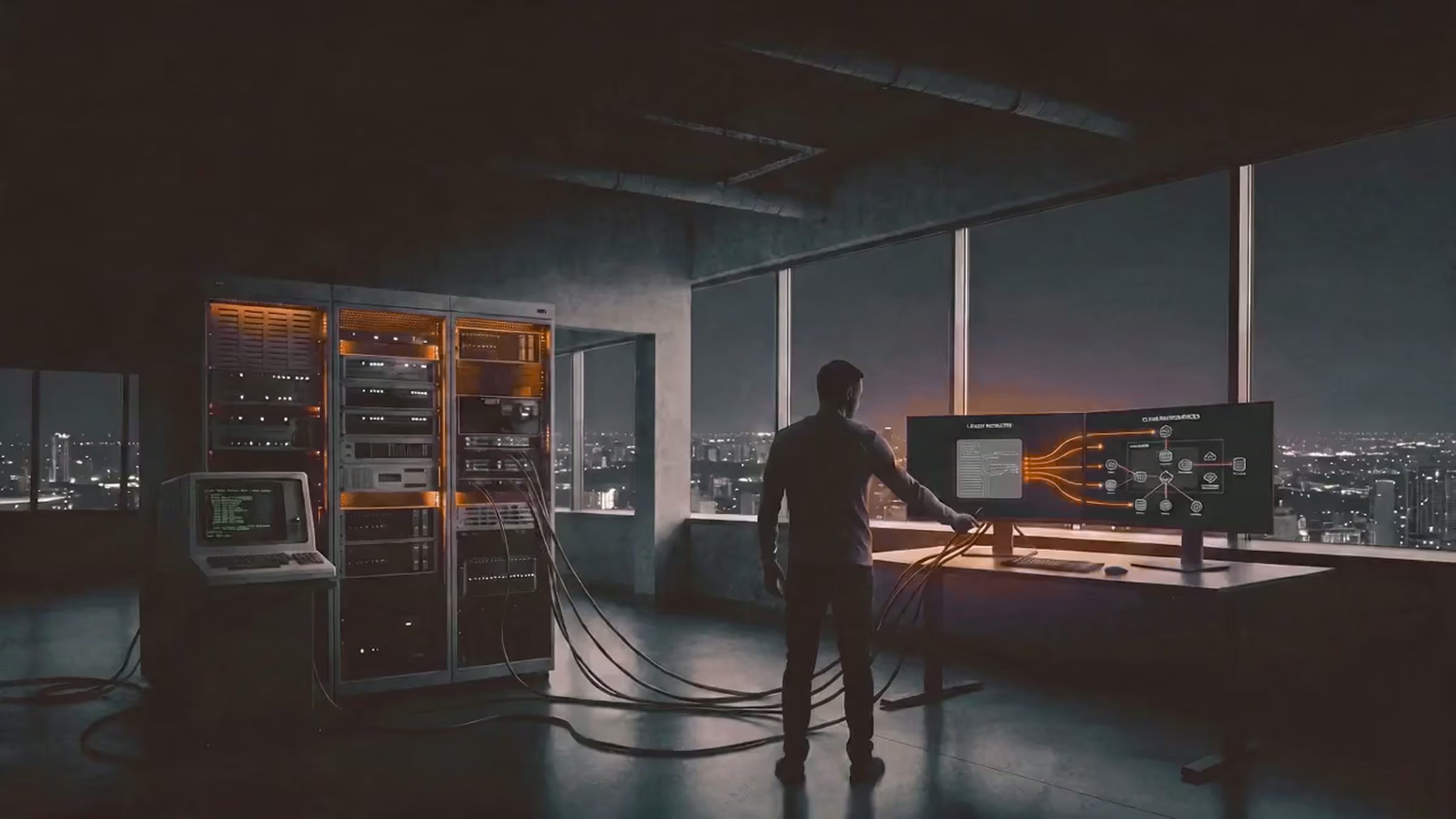
- Assess supported interfaces and controlled data exchange. Define synchronization, transaction ownership, error recovery and access boundaries; some legacy systems cannot support real-time connections.
Planning essentials
Define scope and ownership for: system assessment.
Define scope and ownership for: component modernization.
Define scope and ownership for: controlled integration.
Define scope and ownership for: migration and operation.
Define scope and ownership for: system assessment.
Planning and validation
Resolve the practical questions before implementation.
Scope questions
System assessment — Document business rules, dependencies, support status and operational knowledge before selecting changes.
Component modernization — Choose components to adapt or rebuild and test their behavior against critical transactions.
Controlled integration — Assess existing interfaces and introduce adapters with synchronization, error handling and access boundaries.
Migration and operation — Plan data reconciliation, staged cutover and rollback; assign ownership for the old and new systems during transition.
System assessment — Document business rules, dependencies, support status and operational knowledge before selecting changes.
Component modernization — Choose components to adapt or rebuild and test their behavior against critical transactions.
Checks for the delivery plan
Discover — Map critical transactions, current architecture and the people holding operational knowledge.
Diagnose — Investigate unsupported dependencies, undocumented behavior and the effort to test or migrate each component.
Design — Design incremental changes with regression tests, reconciliation checks and explicit rollback criteria.
Deliver — Modernize selected components, validate critical transactions and rehearse cutover and recovery before acceptance.
Evolve — Monitor behavior and retire replaced components only after acceptance, documentation and recovery checks.
Operation — Assign the operating owner and review unresolved risks before expansion.
Work scope
Incremental modernization with documented behavior and recovery
System assessment
Document business rules, dependencies, support status and operational knowledge before selecting changes.
Component modernization
Choose components to adapt or rebuild and test their behavior against critical transactions.
Controlled integration
Assess existing interfaces and introduce adapters with synchronization, error handling and access boundaries.
Migration and operation
Plan data reconciliation, staged cutover and rollback; assign ownership for the old and new systems during transition.
Details to assess
Choose a path for each workload or component.
- Rehost
Rehost
Move a workload with limited application changes, then validate dependencies, data, performance and recovery in the new environment.
Environment - PlatformComponent update
Adapt the platform
Change selected runtime or platform components after checking compatibility, regression coverage and operating ownership.
Configuration - Re-architect
Refactor or rebuild
Change application structure where the requirements justify it; account for business-rule discovery, testing and staged data migration.
Code changes
Implementation path
Prepare, implement, validate and hand over.
The first usable delivery is planned with explicit inputs, dependencies and acceptance criteria. The illustrated steps need review against your operating conditions.





Document business rules, dependencies and technology support risks.
Options to assess
Confirm technology fit and project-specific capability.


Assessing the proposed work
Look for concrete deliverables and accountable decisions.
A useful proposal connects the business task to technical decisions, validation evidence and the people responsible for operation.
Defined scope
The proposal identifies which workflows are included, which inputs are needed and how changes will be reviewed.
Authorized interfaces
Access roles and supported interfaces are confirmed before integration, with named owners for credentials and revocation.
Observable validation
Representative cases and acceptance checks make it possible to assess delivery against the intended business task.
Operational handover
Documentation identifies operating responsibilities, unresolved issues and the support or maintenance work agreed separately.
A method applied to this service
From understanding the process to validated changes.
- 01
Discover
Map critical transactions, current architecture and the people holding operational knowledge.
- 02
Diagnose
Investigate unsupported dependencies, undocumented behavior and the effort to test or migrate each component.
- 03
Design
Design incremental changes with regression tests, reconciliation checks and explicit rollback criteria.
- 04
Deliver
Modernize selected components, validate critical transactions and rehearse cutover and recovery before acceptance.
- 05
Evolve
Monitor behavior and retire replaced components only after acceptance, documentation and recovery checks.
Where we work
Collaboration and responsibilities
- Meetings and response windows are agreed before work begins.
- Access requires authorization, named owners and an agreed revocation process.
- City clocks are time references. The legal address is in Barreiras, Brazil.
Budget and responsibilities
Estimate preparation, implementation and operation separately.
The estimate follows the selected workflows, data readiness, integration effort and validation needs. Software licenses and ongoing operation are identified separately.
Agree deliverables, review points, account access and operating ownership before starting.
Agree deliverables, review points, account access and operating ownership before starting.
- To define in the proposal
Preparation
Map critical transactions, current architecture and the people holding operational knowledge.
- To define in the proposal
Implementation
Modernize selected components, validate critical transactions and rehearse cutover and recovery before acceptance.
- To define in the proposal
Operation
Infrastructure, platform consumption, licenses, updates and support need explicit operating responsibilities and a separate estimate.
FAQ
Questions and practical answers
01What is legacy system modernization?
02What are the approaches to legacy modernization?
03Should we modernize or rebuild from scratch?
04How do you integrate legacy systems with modern platforms?
05How much does legacy modernization cost?
06How do you modernize without breaking the business?
Related services
Often paired with modernization
 View
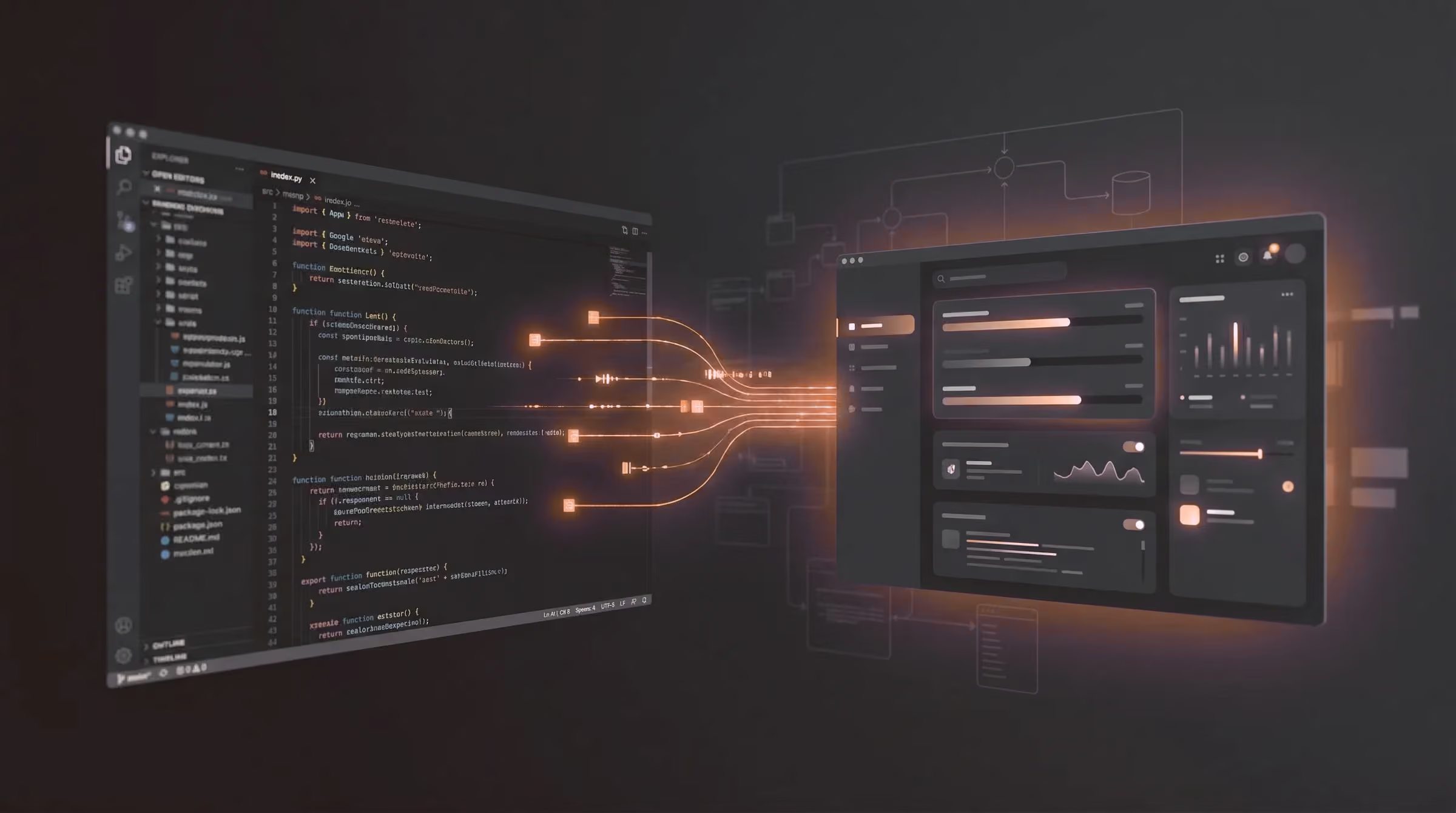
Custom software
Custom software is designed around a specific workflow or business rule.
Software & Product View
Cloud migration
Cloud migration moves applications, data or infrastructure to a cloud environment.
Data & Cloud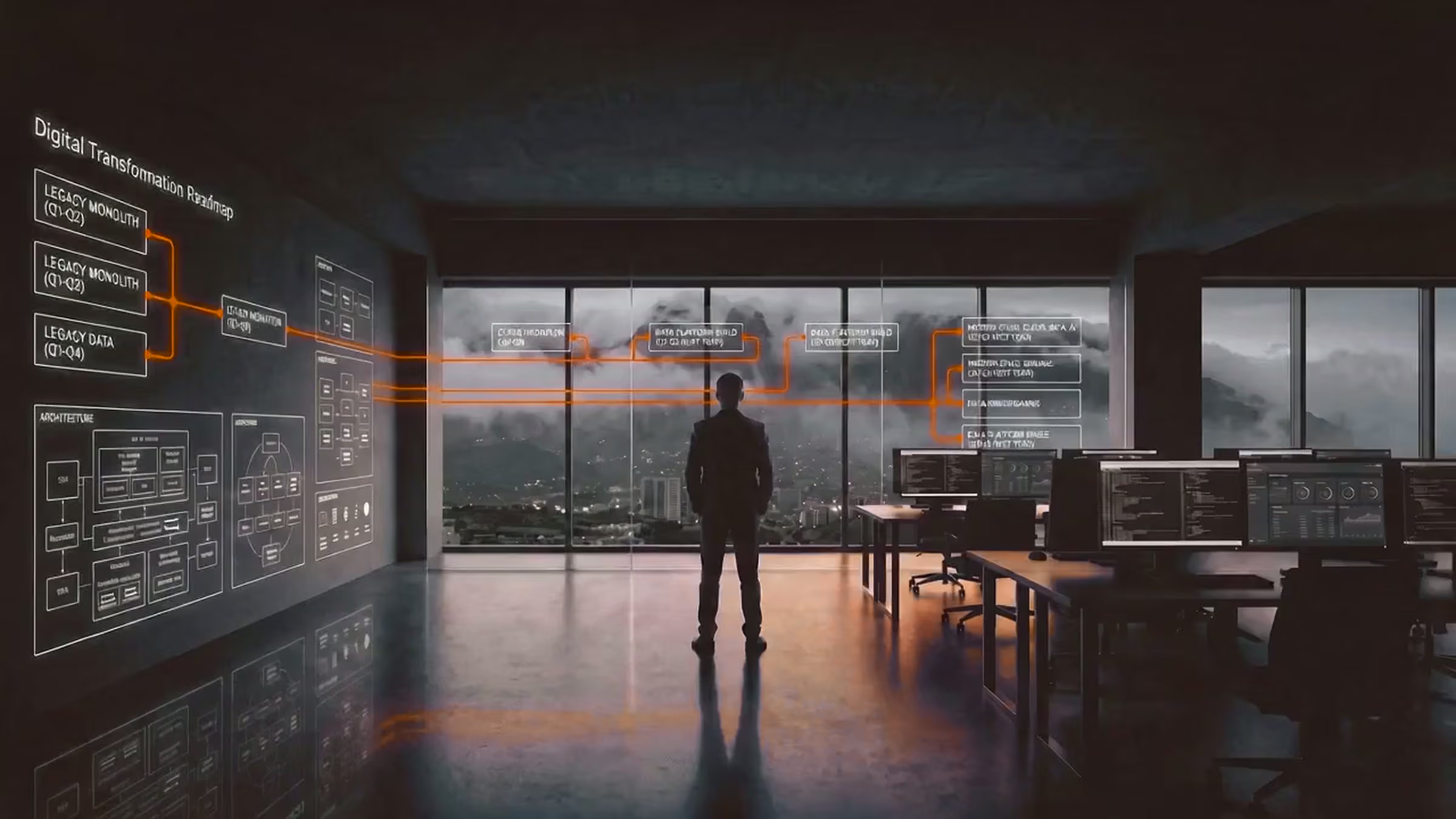 View
Digital transformation
Digital transformation changes how a business operates using process redesign, software and data.
Enterprise
Tell us what needs to change.
Share the process, current tools and the result you need to validate. Use the contact channels to discuss a possible scope and the information needed next.
Discuss the project